When it comes to playing through the midfield in soccer, the team has to have an identity. There needs to be a purpose and understanding, not only when playing the pass to the mids, but also what to do before and after.
How to Play Through the Midfield in Soccer
Playing through midfield requires timing, movement, spacing, and decision-making. Teams that do this well understand when to check to the ball, when to move away, and how to create space before receiving.
To successfully play through midfield in soccer, teams must combine movement, spacing, timing, and decision-making. It is not just about passing into the middle — it’s about creating the right conditions before, during, and after the pass.
When learning how to play through midfield soccer, players need to understand:
- When to check to the ball vs move away
- How to create space for teammates
- Where supporting players should be positioned
- When to play forward, wide, or back
At higher levels, playing through midfield becomes less about forcing passes and more about recognizing when the space is available.
Good midfield teams don’t force the middle — they create it.

Table of Contents
- Off the ball movement
- Playing the ball wide
- Playing into the center midfielder
- Long ball vs possession
- Why youth teams struggle
Off the Ball Movement When Playing Through Midfield
If the midfielder checks to the ball it’s going to probably bring an opposing defender along with them. Although it is needed at times, you have to think about how crowded it can become. In addition, you could free up more space for your strikers.
Therefore, when a player checks to the ball it is important to also have support further away. If everyone checks close the space will be too crowded.
On the contrary, if you (the mid) don’t check to your defenders who have the ball, they most likely won’t have an option through the middle.
Another way to move off the ball is to pop out (move lateral) 3–5 yards. This works when an opposing player is between you and your teammate with the ball.
If you struggle with creating space, it’s usually a movement issue. Here are 5 ways to get open for a pass that apply directly to midfield play.

Soccer Midfield Positioning
Soccer midfield positioning is one of the most important factors when trying to play through the middle.
If midfielders are too close together, defenders can easily press and win the ball. If they are too far apart, passing options become limited.
Good positioning means:
- Staying at angles where you can receive the ball safely
- Creating passing lanes instead of hiding behind defenders
- Adjusting your position based on pressure and space
- Always thinking one pass ahead
The best midfielders are constantly moving 3–5 yards to create better angles, rather than standing still waiting for the ball.
Playing the Ball Wide
Width is vital.
When playing the ball wide you have a few options.
One is finding your outside backs. Once that happens they have multiple choices: playing long to a striker, playing back through midfield, or recycling possession to the center backs.
When deciding to play through midfield, your options are either staying wide or playing inside.
In the past, many European teams preferred long balls, while South American teams focused more on short passing. Today, most teams want to possess and build out of the back.
That said, the best teams and players can do both.
Players who can mix short and long passing are much harder to defend.
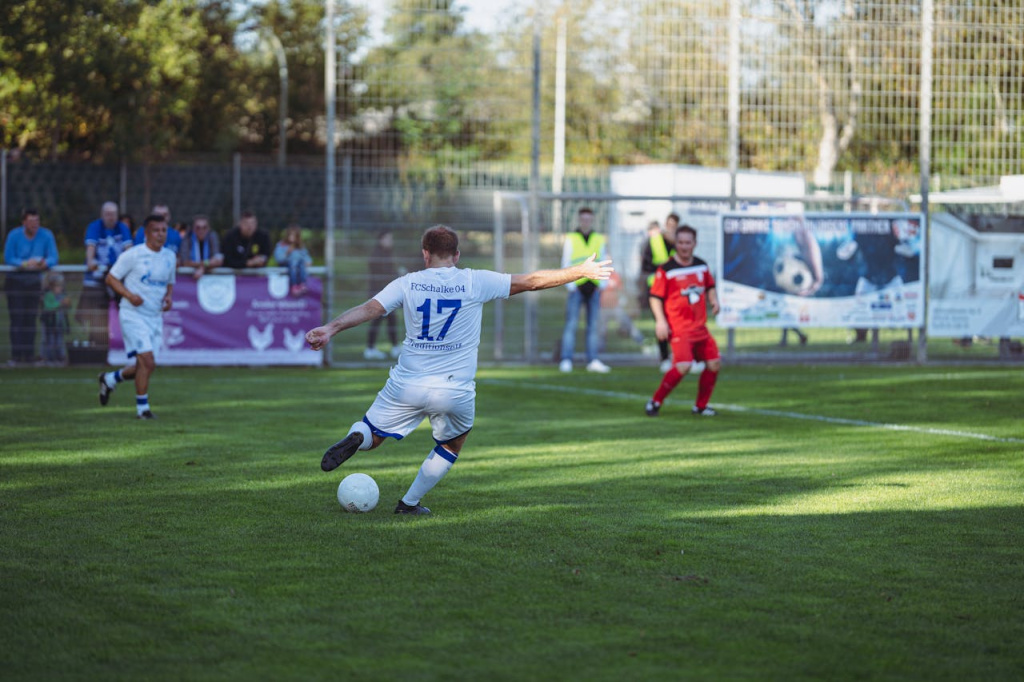
To play through midfield effectively, players must be able to strike the ball with power when switching play or hitting long passes.
Playing Into the Center Midfielder
When defenders have the ball, there is always the option to find the central or outside midfielders.
Before a midfielder can turn or play forward, their first touch must be clean under pressure. If the first touch is off, the opportunity is gone. Learn how to improve this with these first touch drills.
Checking to the ball is key — but timing matters.
If you check too early, defenders will close you down. If you check too late, your teammate won’t have you as an option.
Once the CM receives the ball, there are multiple options:
- Pass back
- Play wide
- Turn and dribble
- Play through balls to strikers
In addition, your team must always have the threat to play long. This keeps defenders honest and prevents them from stepping too high.
Video – Playing through midfield with USSF A License Coach

Long Ball vs Possession
Playing long is different than just playing “kick ball”. Midfielders must know how to shoot harder in soccer when finishing attacks.
In the 90s, many pro teams played long under pressure. Starting in the 2000s, more teams began to play out of the back.
Even before that, teams like Brazil, Netherlands, and Argentina were already playing possession-based soccer.
The best approach is balance — knowing when to play short and when to go long.
Midfield Tactics for Youth Soccer Players
When it comes to midfield tactics in youth soccer, the biggest focus should be on simplicity and understanding.
Most young players struggle because they try to force difficult passes instead of making the correct simple decision.
Key midfield tactics for youth players include:
- Always giving the player on the ball at least two options
- Moving after passing instead of standing still
- Keeping proper spacing to avoid crowding
- Switching the field when one side is overloaded
Even at higher youth levels, teams that master these basics are far more effective than teams trying advanced tactics without strong fundamentals.
At the youth level, spacing and decision-making matter more than complex tactics.
Why Most Youth Teams Struggle to Play Through Midfield
Most youth teams struggle with possession.
You often hear coaches say “possession”, but during games you see panic and long balls after only a few passes.
The main reason is that many players are not technical or calm on the ball.
The top 2% of teams — even at U11 — can truly possess and play through midfield consistently.
The biggest difference between average and elite midfielders is decision-making. This comes down to understanding the game. Learn more about soccer IQ and game awareness.
It requires both strong coaching and players who have a mix of soccer IQ and natural understanding.
Even without a full roster of top players, teams should at minimum switch the field to relieve pressure.
In many situations, the weak-side outside back is open — making switching play one of the easiest and most effective options.

FAQ: Playing Through Midfield in Soccer
What does it mean to play through midfield?
Playing through midfield means progressing the ball through central areas using midfielders instead of bypassing them with long passes.
Why is midfield important in soccer?
Midfield controls possession, tempo, and transitions between defense and attack. Teams that dominate midfield usually control the game.
When should a midfielder check to the ball?
Midfielders should check at the right time — not too early or late — to create passing options without bringing excessive pressure.
Why do teams switch the field?
Switching the field spreads the defense and creates space, especially when one side becomes crowded.
Should teams always play out of the back?
No. Teams should mix short buildup with long passes depending on pressure and game situations.
Why do youth teams struggle with possession?
Many players lack technical ability and composure under pressure, leading to rushed decisions and loss of possession.
How can players improve midfield play?
Improving first touch, awareness, movement off the ball, and decision-making all contribute to better midfield play.
What is the biggest mistake players make in midfield?
The biggest mistake is reacting instead of thinking — playing without awareness, purpose, or understanding of space.
My Most Popular Posts:
- 3 ways to strike the ball with power
- 8 best 1st touch drills
- Expert dribbling tips
- Goal side defending
- How to play aggressive
Follow @GFTskills on Social Media