How to Improve Every Skill
Every soccer player wants to improve their skills. Whether you are a beginner learning the basics or a competitive player preparing for high school, college or professional soccer, the key is having a structured training approach.
This guide explains the most important soccer skills to train and provides links to the best drills, exercises and training methods for each area of the game.
Many of the best players in the world developed their skills through thousands of touches on the ball and consistent training habits.
If you are serious about improving, start by mastering the core technical areas below.
Improve Your Ball Control Faster
The GFT Ball Control Method has helped youth, college and professional players improve technique since 2007.
Train with structured lessons designed to build confidence with the ball.

Technical training
Technique is the foundation of soccer.
The best players in the world are comfortable with the ball using every part of their feet.
Players who are technical develop better confidence, quicker reactions and the ability to keep possession under pressure.
One of the most important things you need to know is what to work on.
You don’t need tricks and moves, like you see on social media! That’s not the definition of technical. You don’t even see the most skillful pros using moves in games very much.
It’s better to practice skills that you’ll use in every game, like trapping and passing different ways.
What is technical?
As stated above, it’s not tricks and moves…
You need to be good at the practical skills.
- Trapping the ball out of the air and on the ground
- Passing short and accurate.
- Passing long and using different ways, like laces and bending.
- Shooting and Finishing in multiple situations.
- Dribbling and turning when needed.
“Playing football is very simple, but playing simple football is the hardest thing there is.” ~ Johan Cruyff
- Importance of muscle memory in sports
- Soccer drills you can practice at home
- Complete ball control training courses
Dribbling methods
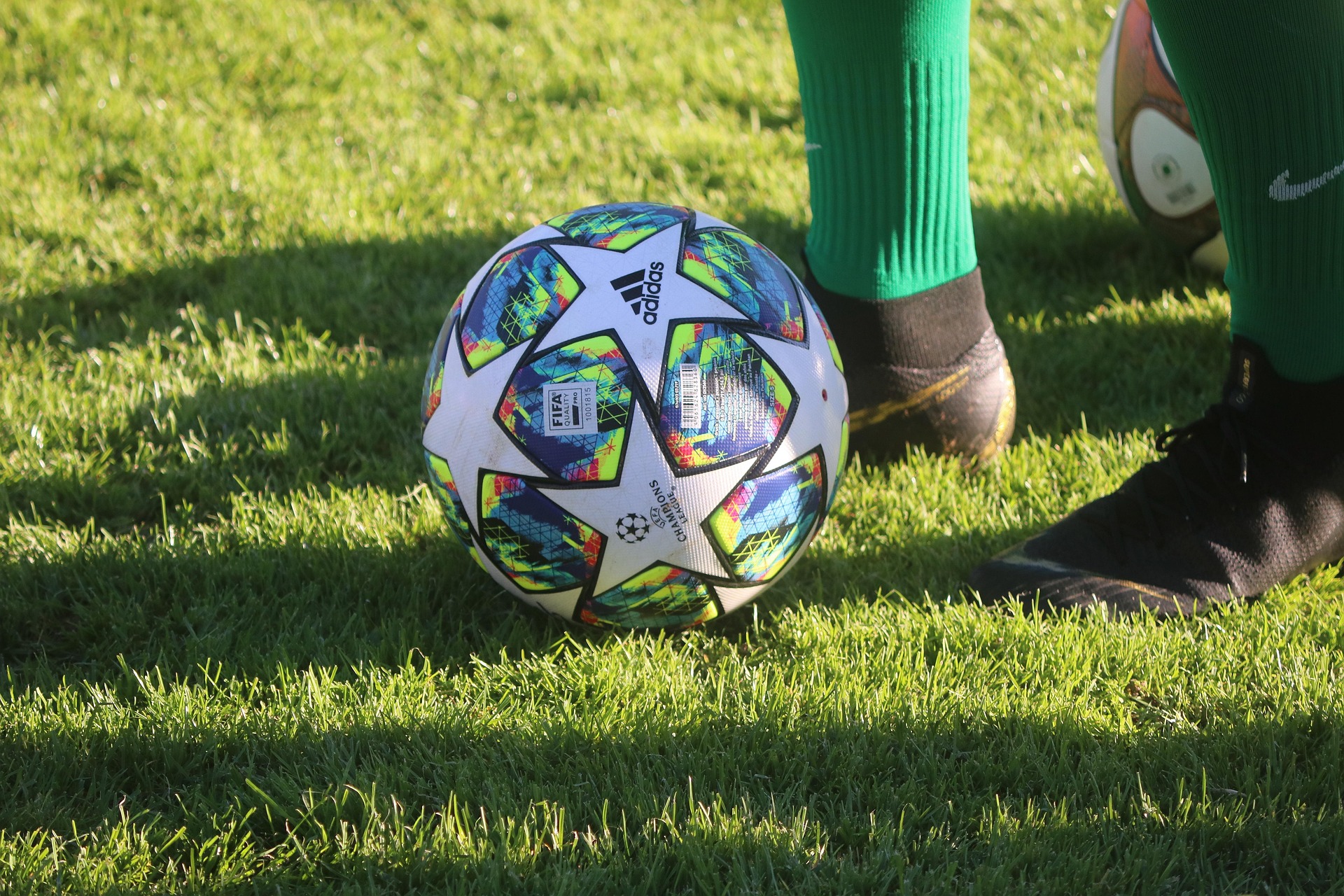
Dribbling allows players to attack defenders, create space and maintain possession in tight areas.
Learning how to dribble with both feet and different parts of the foot is essential for developing advanced attacking skills.
2 different ways to practice dribbling:
- Small touches where you take 1 step between each touch, or 3 steps if you’re switching feet. This could be through cones or not. I don’t typically use cones for my dribbling methods.
- Bigger touches (2 types). This could be running with the ball in open space or a change of direction cone drill where your touches are about 2-3 yards away from you.
Once you get the small touches down, it’s important to start with the bigger touches because that’s more game like.
The small touches build good control and give you more reps, but if that’s all you know it won’t translate in games because that’s when you need a mix of the two ways.
Learn more ↓
First Touch
The first touch determines how quickly a player can control the ball and make their next decision.
Players with excellent first touch can receive passes under pressure and quickly move the ball into space.
If you are a the type who will train on your own, the best thing you can do is learn how to use a rebound wall.
The very best thing you can do is get a 2 wall set-up. Maybe you use a wall and then have a rebounder for the 2nd element. It doesn’t have to look like my indoor space.
Trapping aerial balls is usually what is most challenging for adolescent and even college players.
Best 3 ways to trap the ball out of the air with your feet.
Passing and Vision
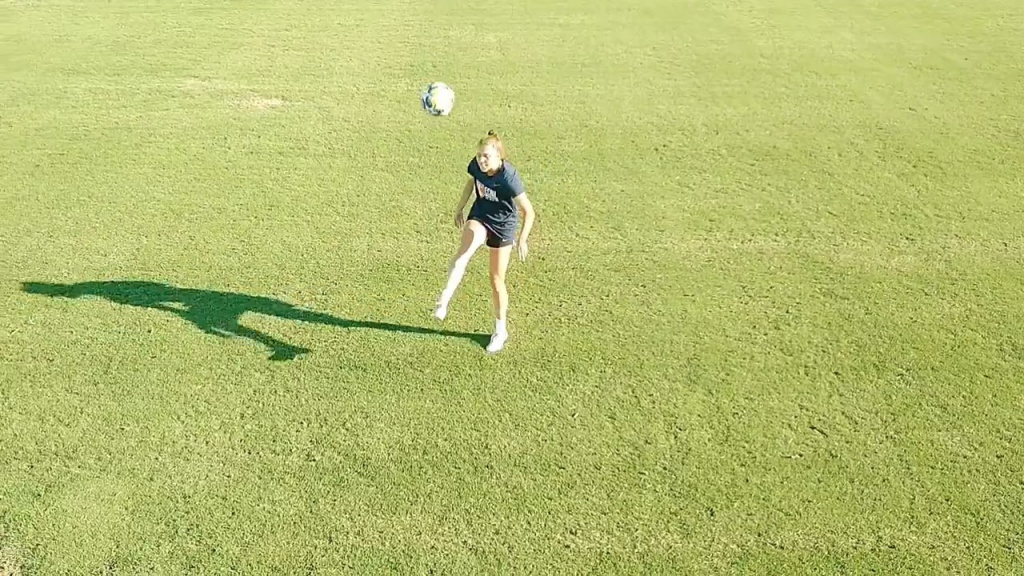
Passing is the backbone of team play in soccer. Players must learn how to pass accurately with different parts of the foot and understand how to move the ball quickly.
If a player doesn’t have the fundamentals down, it will look sloppy in games.
Unfortunately, at the highest youth level half of the players don’t look clean on the ball.
Instead they rely on athleticism and they have been in an environment that promotes speed of play, so they are used to playing fairly fast.
Therefore, as a player you need both opposed and unopposed training.
- Unopposed = mechanics and technique broken down in high rep drills.
- Opposed = pressure situations like 2v1’s, 2v2’s up to 4v3’s that help players make good decisions on and off the ball. The lower the numbers the more action, but the higher the number calls for more thinking & scanning.
Shooting and Finishing
Scoring goals requires proper shooting mechanics, balance and timing. Players should practice striking the ball with power as well as accuracy.
Get more power using the laces
Coach Cole working with a GFT trainee ↓
There are so many ways to work on goal scoring…
- Breakaways
- Free kicks
- Shots from distance
- Finishing off a cross, on the ground and in the air
- Volleys
- Loose balls
Partner finishing drill [side volleys on goal] ↓
Defending Skills
Defending is not just about tackling. Good defenders understand positioning, pressure and how to delay attackers.
Tactical awareness for defenders in soccer:
Defensive stance in 1v1 situations is important, watch video tutorial.
Step and cover drills are another thing you want to know and practice… To step means that the defender closest to the ball quickly puts pressure on the ball. Cover means a defensive teammate drops behind so that there is support. The cover helps your team not get split with a through ball or get easily beat off the dribble.
Goal side defending is crucial to know. Players need to do this on corners, crosses, your own goal kicks and marking up in your own half.
Physical defensive tips:
- Shoulder charging drill – video is fun for the kids and helps them to play more aggressive.
- Slide tackle tips – blog post
- 50/50 tackles – video
Soccer Training by Age
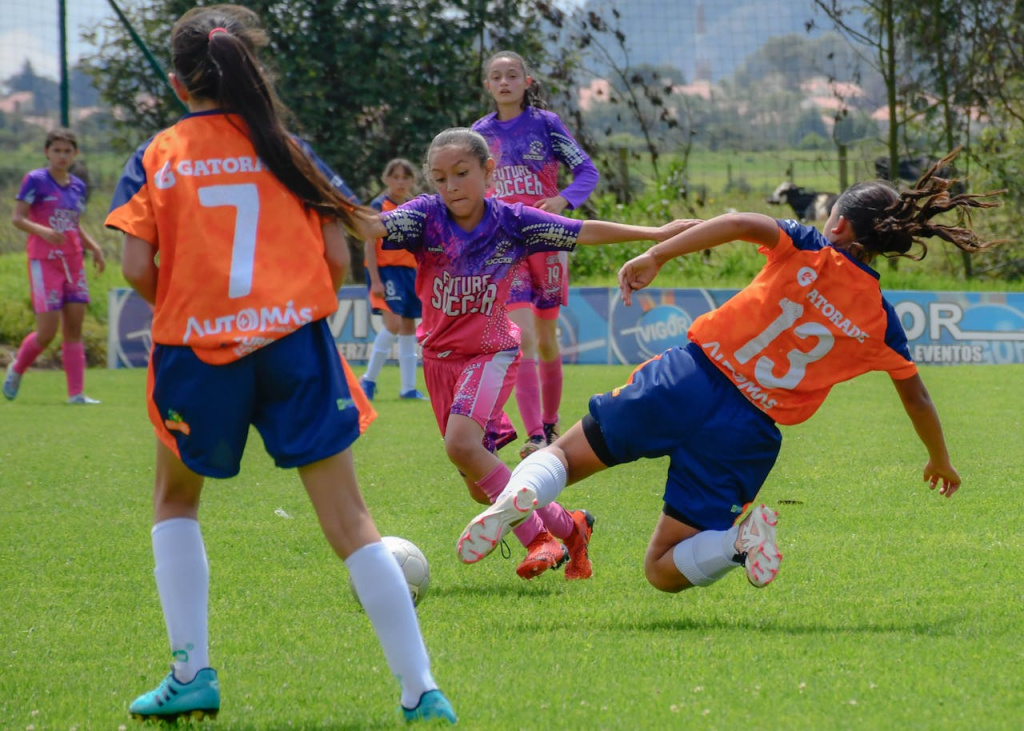
Different age groups require different training priorities.
Younger players should focus on fundamental development, while older players begin working more on tactical and opposed training.
Elementary
- Ages 4-5: Dribbling and turning with the ball, using the sole, inside and outside.
- Ages 6-8: Consistent reps [3-5 yards] passing and trapping with the inside of the feet, like this partner drill. or using a wall.
- Ages 9-10: Longer passes and shooting on the run.
Middle School [continue to do what the younger ages do, plus add these elements below]
- Ages 11-13: Volley drills, trapping the ball out of the air and off the bounce, striking the ball with laces and bending with the inside. In addition, pressure situation drills like 2v2, 3v2, 5v4 to goal. Have smaller goals or targets for when the defenders steal the ball. In addition, start putting in extra work shooting and passing long with the weak foot.
High School [continue skills that the middle schoolers have listed above, plus add what’s below]
- Ages 14-15 Chipping balls – with bend over defenders who are 7-10 yards away, making the ball land 15-20 yards away.
- Ages 16-18 Transition & counter drills going from a 4v4+1 to 3v2. Click and watch video ‘Drill to improve your counter attack’
Mental Strength and Mindset
Soccer success is not only physical… Mindset, confidence and work ethic are major factors in player development.
Some athletes either get too arrogant or on the contrary, lack confidence. Both of these are going to limit a players growth.
You have to believe in your abilities, continue to work hard, stay humble and be patient through the hard times.
Training on Your Own
Many of the greatest players spent hours practicing alone with the ball. Backyard training, wall drills and individual repetition help build muscle memory and confidence.
3 best ways to trap the ball out of the air
Develop Your Skills Faster
Players who want a structured training system can use the GFT ball control training courses…
These courses are designed to help players improve technical skills through short training sessions that can be completed at home.
- Self paced
- Safe platform, no ads
- 3 different levels (basic, advanced & magic)

FAQ: Soccer Skills Training
What is the most important soccer skill?
Ball control and first touch are considered the most important technical skills because they affect every action a player takes on the field.
How can players improve their soccer skills quickly?
Players improve fastest by combining team training with individual repetition such as wall drills, juggling and ball control exercises.
How often should youth players practice soccer skills?
Many players benefit from short technical sessions several times per week in addition to their team practices.
About the Author
This article was written by Jeremie Piette, the founder of Global Futbol Training.
Jeremie is a former professional soccer player who played across four continents and more than 20 countries after being drafted from a Division II program during one of the toughest professional draft periods in U.S. soccer.
For more than 15 years he has trained youth, college and professional players while building Global Futbol Training into one of the most respected independent soccer skills training programs.
His coaching focuses on technical development, ball mastery and the training habits required to reach elite levels of soccer.