When it comes to a quick restart it’s important to remember this goes for all ages and levels. If you watch high level soccer, for example pros, you’ll see many goal scoring opportunities coming from quick restarts. In addition, it’s a big advantage for kids as young as U9.
Very few teams at any age are ready for the quick transition, therefore it causes problems for the defense.
Opportunities on game day
Below in the subtitles you’ll read about the four main times a quick restart will present itself.
When players make this a habit it gives you so many more opportunities to break down your opponents. Most of this comes from playing experience.
If you have the habit it gives you the ability to surprise the other team, but if nothing is on you can just wait. It’s not something you want to do every time.
If your team is winning or tired it might be better to take your time.
“Being trained for the situation is vital. Repetition creates good habits.”
After a foul
If I had to pick the most important time to work on these it would be after a foul.
Oftentimes players who make the foul complain or look at the ref, so it’s a great opportunity to catch the opponents off guard by playing the ball quickly.
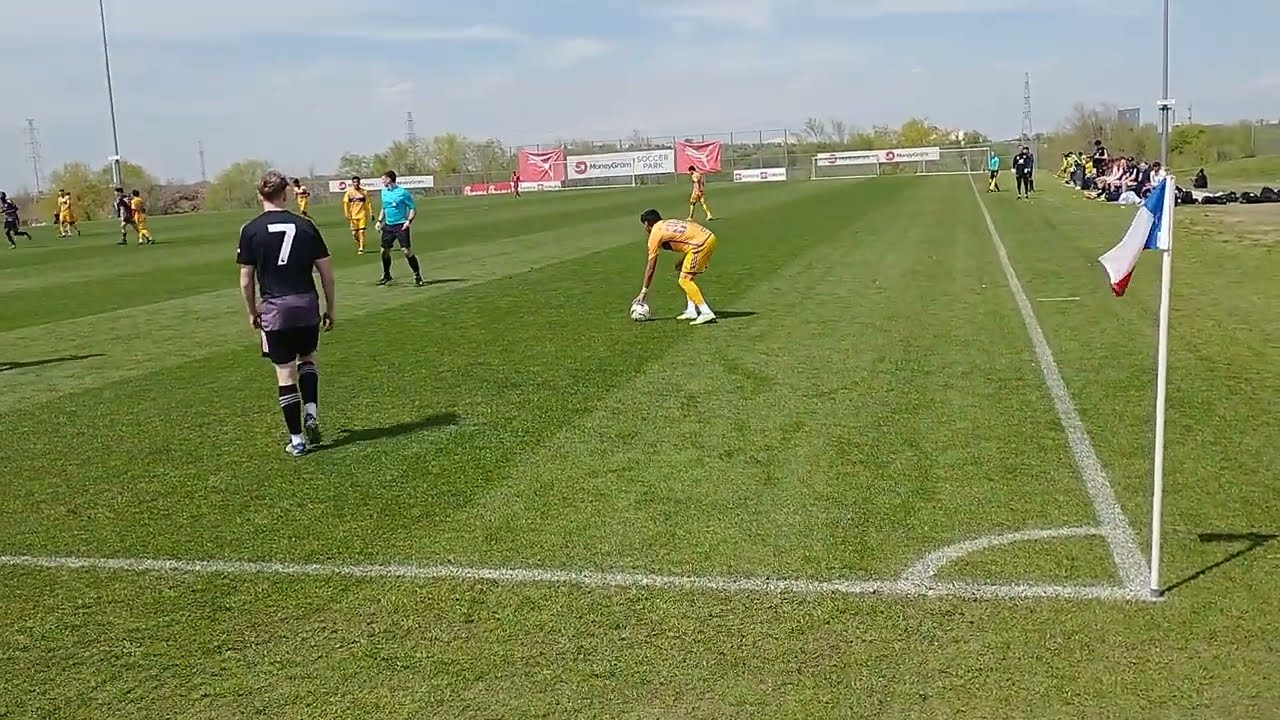
In the Dallas Cup SuperGroup, Tigres was fouled and while the Fulham players complained to the ref Tigres did a quick restart and almost scored.
Never turn your back on the ball after a foul… It’s best to backpedal so that you can always see and be ready.

Corner kicks
I’ll never forget when Liverpool came back from being 3 goals down vs Barcelona in the Champions League…
One of the goals came off a quick restart from a corner.
The ball went well out, but as the defending team [Barcelona] was walking back towards the goal a ball boy for Liverpool played a ball towards the corner flag…
Trent Alexander sets it, but then takes a few steps away for someone else to take it, but then quickly turns to kick it front post where Origi volleys it in.
The moment shifted and they ended up coming back to win.
It’s important to remember to not turn your back on the ball or where it will be played from. Quickly backpedal to get into position early.
Although, even the best players forget.
Throw ins
When coaching my daughters team I sure wish they would throw the ball in ASAP:)
By far one of the best times to catch the other team off guard!
For younger players it takes time before they can finally understand the importance. Kids remind me of puppies because you have to tell them dozens or hundreds of times for it to click.
Pros are so good at being in position early that you don’t see quick throw ins as much. Although, there are times when it happens.
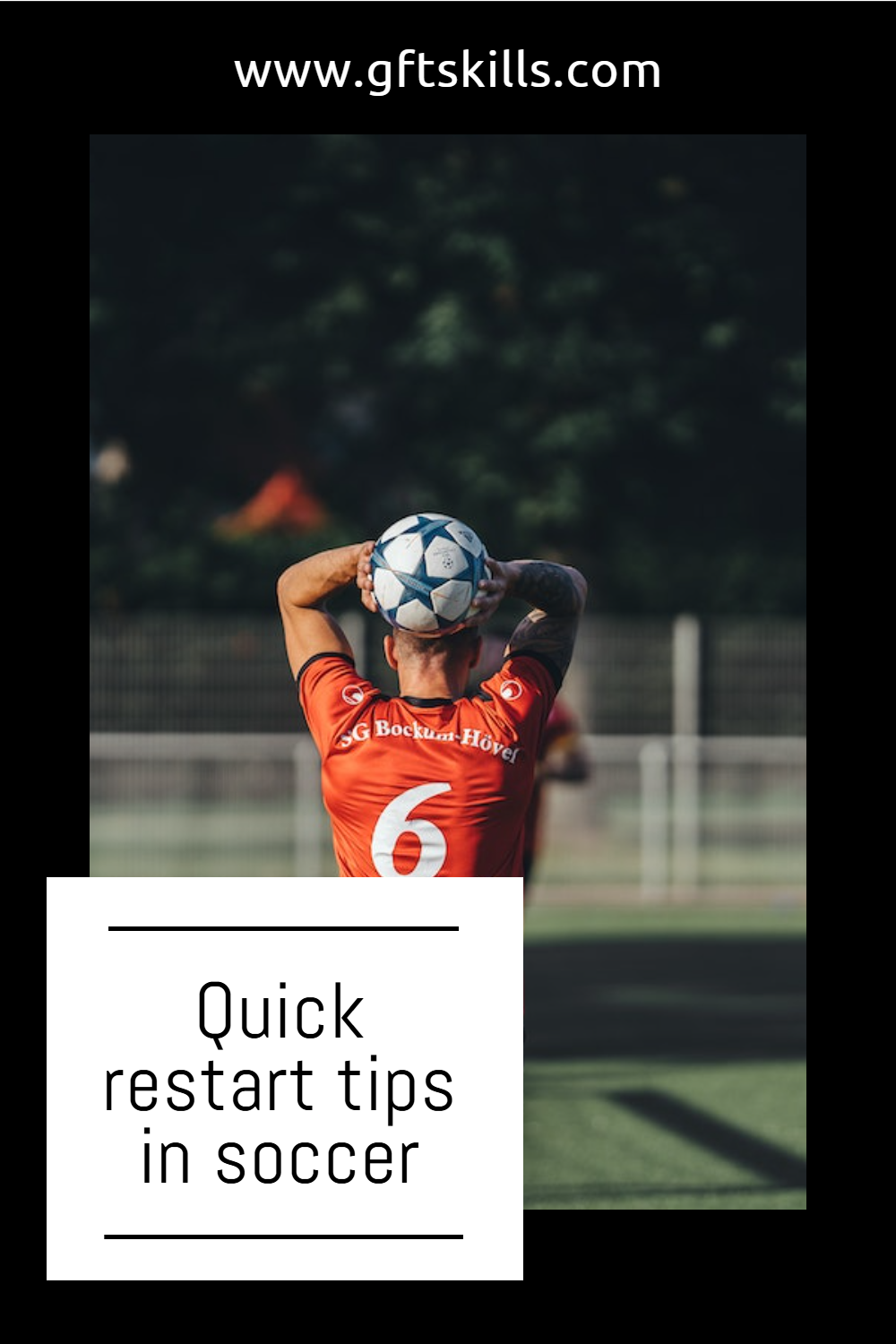
It’s also important to know WHEN to throw the ball in quickly or not…
If your team is winning or you recognize your teammates are tired take your time… UNLESS you see the opportunity to score a goal of course.
Goal kicks
3 reasons goal kicks aren’t usually rushed:
- In youth especially the keeper has to go get the ball. Therefore you usually can’t do a quick restart.
- Oftentimes the players need to recover.
- It’s important for players to be in the correct positions in case of a turnover, so the GK makes sure of that before taking the kick.
Zones of the pitch
Set pieces or throw-ins in the attacking third can result in a 1 or 2 pass goal.
On the contrary, playing from your own defensive third results in less goals. Therefore, players don’t have the same eagerness to take a quick restart.
The zone of the pitch [defensive vs attacking halves] plays a big role in how fast you re-start. Although, if you are a counter attacking team, playing quick from the back zone can be beneficial.
How to practice with your team
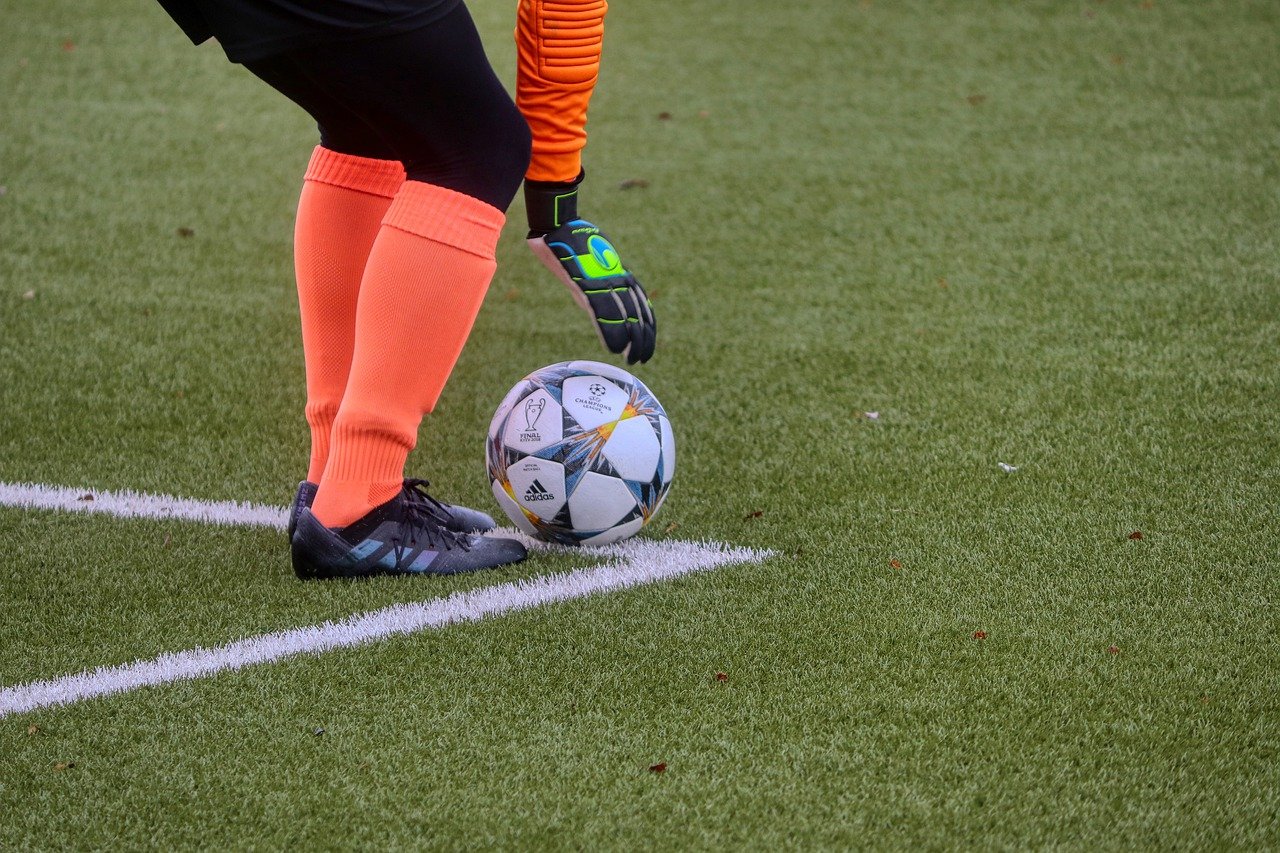
There were times in college and pro where the coach would work with us on quick restarts…
We would be scrimmaging and then at any moment he would blow the whistle for a foul (that never happened). The whole purpose was to get used getting the play started fast as possible.
Setting habits has to be done and this was one of the best ways.
Once a player is trained with this knowledge to play quickly on set pieces and throw-ins it sticks for good.
Train them up how they should go and they will not depart.

Our top blog posts:
- How to strike the ball with more power
- How to play more aggressive
- Expert dribbling tips
- Importance of goal side defending
- First touch drills
Follow me on social media @GFTskills